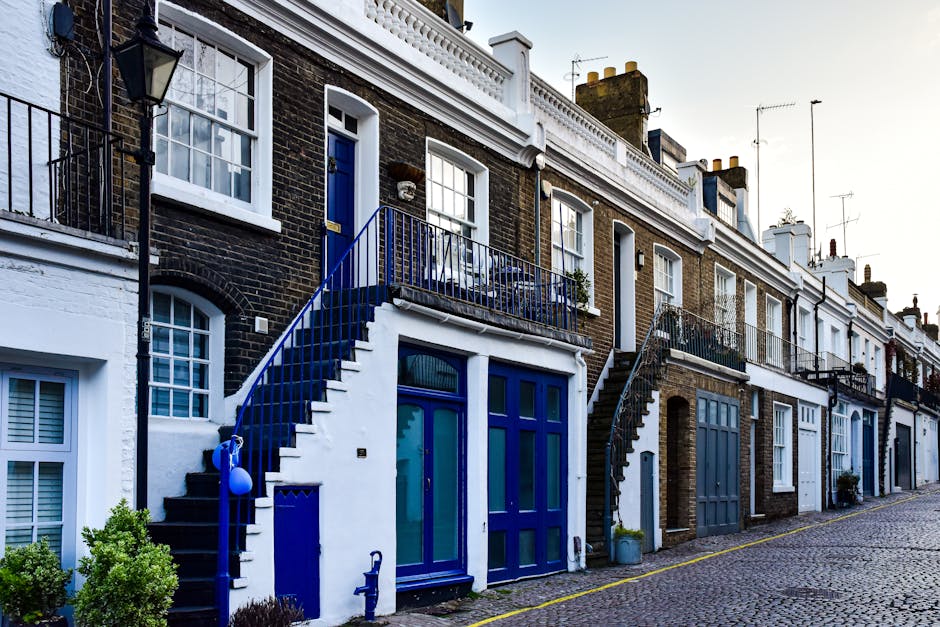
Bermondsey Street removals for narrow access and cobbled lanes: a practical guide for smooth moving day
Moving on Bermondsey Street sounds simple enough until you meet the reality: tight access, awkward parking, busy footfall, and those cobbled lanes that can rattle a box before you've even lifted it. That is exactly why Bermondsey Street removals for narrow access and cobbled lanes need a very different approach from a standard London move. The right planning can save time, protect belongings, and stop a small access problem turning into a full-scale headache. In this guide, we'll walk through how it works, what to expect, what to avoid, and how to make the whole thing calmer. Because let's face it, nobody wants moving day to become a comedy of errors.
Whether you are moving a flat, a townhouse, a studio, or a small office nearby, the basics are the same: measure carefully, plan for street conditions, pack smart, and choose the right vehicle and crew for the job. Sounds obvious. In practice, it rarely is.
Why Bermondsey Street removals for narrow access and cobbled lanes matters
Bermondsey Street has a character all its own. That character is lovely for everyday life, but it can be a bit unforgiving on moving day. Narrow access means less room for a van to position itself, less room for porters to work, and less room for error. Cobbled lanes add another layer: they can make trolleys wobble, slow down wheeled items, and increase the chance of knocks if something is not secured properly.
For a removal team, these are not just minor inconveniences. They affect how the move is planned from the first survey onward. A standard "turn up with a big truck and hope for the best" approach is exactly the wrong fit. In a tight Bermondsey street or mews-style access route, you often need a smaller vehicle, a short carry plan, and very clear timing.
The key issue is not just physical space. It is rhythm. On a narrow street, a move works best when every stage flows: parking, carrying, staging, loading, and checking. If one part slips, the whole sequence slows down. You will notice the difference almost immediately. A ten-minute delay at the kerb can become an hour if the access point is blocked or the crew has to keep shuffling items back and forth.
That is why local knowledge matters. A mover who understands Bermondsey Street's access patterns, building entrances, and common pinch points can make sensible decisions before any boxes are lifted. And that, in my experience, is where the real value sits.
How Bermondsey Street removals for narrow access and cobbled lanes works
Good access-led removals start before the moving van arrives. The process usually begins with a survey or detailed pre-move discussion. The team will ask about staircases, lifts, doorway widths, street access, parking restrictions, and anything unusual such as a long internal carry or restricted loading space. If you have a piano, heavy wardrobes, or fragile artwork, that information should be shared early. Surprises on moving day are never charming.
Once the access picture is clear, the removals plan is matched to it. That might mean using a smaller vehicle, such as a man and van or a more manoeuvrable removal van, rather than a larger truck. Sometimes a larger vehicle still makes sense, but only if there is enough room to stop safely and transfer items efficiently. In other cases, a shuttle-style move works better, where a larger load is broken into smaller runs.
For cobbled surfaces, the team will usually rely on better packing, careful lifting, and equipment that copes well with uneven ground. That can include sack trucks, furniture dollies, protective blankets, straps, and floor protection. The point is simple: keep the load stable and reduce the stress on both the item and the people carrying it. Cobblestones do not forgive lazy handling.
On the day itself, timing matters too. Early starts can help avoid heavier street activity, and tighter collection windows may reduce the chances of obstruction. If the building has shared access, the team may stagger the load so corridors, hallways, and entrances do not clog up. It is a bit like setting the pace in a kitchen: move one thing too soon and the whole worktop gets crowded.
For some moves, a combination of services is the smartest route. If packing needs extra care, consider packing and boxes or even packing and unpacking services so fragile items are better protected and the load can be organised more efficiently. For larger household moves, house removals or home moves may be more appropriate than a simple point-to-point collection.
Key benefits and practical advantages
The obvious benefit is avoiding damage, but that is only part of the story. Access-aware removals on Bermondsey Street can also save time, reduce stress, and make the day feel far more under control. Here are the main practical advantages.
- Better vehicle choice: Smaller or more suitable vehicles are easier to position on tight streets and around awkward bends.
- Reduced handling risk: Fewer unnecessary transfers mean fewer chances for knocks, scrapes, or dropped items.
- More efficient loading: A careful plan avoids repeated carrying and wasted effort.
- Less disruption: Thoughtful timing helps reduce friction with neighbours, pedestrians, and other road users.
- Improved protection for old or delicate items: Cobbles and narrow stairwells are not kind to poorly packed furniture.
There is also a quieter benefit that people only notice afterwards: peace of mind. When your crew has already thought through the tricky bits, you feel it. The move feels less like a gamble and more like a process that is actually being managed.
For commercial customers, especially small firms or studios, this can make all the difference. A well-organised office removals plan can keep downtime down and stop the team from spending the whole morning waiting for a van to sort itself out on the street. For local businesses, that is not a luxury. It is practical survival.
Who this is for and when it makes sense
This kind of move is not just for people literally on Bermondsey Street itself. It also makes sense for nearby homes and premises where access is tight, the road surface is uneven, or parking is a headache. If your property has a narrow entrance, a basement staircase, a top-floor flat, or a shared courtyard, you are in the same territory.
It is especially relevant if you are:
- moving from a period property with limited street access
- relocating a flat with a long carry from kerb to door
- handling furniture that is bulky but not easily dismantled
- moving offices, studios, or small retail stock in a busy area
- trying to keep costs sensible by avoiding unnecessary vehicle size
- working to a fixed time slot because of building rules or neighbours
Students and renters often underestimate this. A small flat move can still be complicated if the van cannot park nearby. That is why services such as student removals and flat removals are worth considering when the access is awkward, even if the volume of items is not huge.
Truth be told, if you are wondering whether you need a specialist approach, the answer is often yes when the street is narrow, the parking is tight, or the route from van to door is not straightforward. That alone changes the game.
Step-by-step guidance
Here is the most practical way to tackle a Bermondsey Street move without making life harder than it needs to be.
- Survey the access properly. Measure entrances, stair widths, lift sizes, and the length of the carry from vehicle to property. Do not rely on memory. Human memory is charming, but it is not a measuring tape.
- Identify the best vehicle size. A smaller vehicle may be easier and safer than a big one. In some cases, a man with van setup is more efficient than a larger lorry.
- Group items by handling difficulty. Heavy, fragile, awkward, and standard items should not all be treated the same. A piano, for example, may need a specialised plan, and piano removals should be discussed separately.
- Pack for movement, not just storage. Boxes need to be strong, sealed, labelled, and stacked so they do not tip on uneven ground. If the route includes cobbles, secure packing matters even more.
- Reserve the load path. Keep hallways clear, protect floors, and make sure doors can stay open safely while items are carried.
- Plan parking and timing. A tight street needs a realistic arrival window. If parking is uncertain, build in buffer time.
- Use the right support services. If you need help loading, unloading, or staging items, a removal services package may be more suitable than a bare-bones hire.
- Do a final walk-through. Check cupboards, lofts, cellars, and behind doors. The missing kettle usually turns up after the van has left. Of course it does.
If the move is time-sensitive, some customers also look at same-day removals, though tight access still needs the same careful planning. Speed is useful, but speed without access planning is just stress with a clock attached.
Expert tips for better results
A few small decisions can make a surprisingly big difference on a Bermondsey move.
Choose boxes by shape, not just by size. On cobbles and narrow stairs, stable boxes are better than overfilled ones. A medium box that stays balanced is often more useful than a giant box that wants to topple at the first wobble.
Keep the heaviest items low and central. That helps with lifting and with balance in the van. It sounds basic, but basic is beautiful when the street is awkward.
Label rooms clearly. Not just "kitchen" or "bedroom". Add notes like "fragile," "load last," or "need first." That makes unloading much smoother, especially when the access point is tight and you do not want items bouncing around waiting their turn.
Protect corners and edges. Period properties often have narrow frames, old plaster, and less forgiving thresholds. Use blankets, wrap, and corner protection where needed. One chipped wall can sour the day, even if everything else goes well.
Talk to neighbours early if needed. A quick heads-up can prevent awkwardness if a van needs brief space outside or if a doorway might be busy for a short period.
And one more thing: if you are unsure whether to hire a bigger vehicle or a more compact one, err on the side of manoeuvrability. Bermondsey access rewards good judgement. Big vans are great when space allows, but in narrow lanes they can become a bit of a comedy prop.
Common mistakes to avoid
Most problems in narrow-access removals are avoidable. They usually come from underestimating one detail and then trying to improvise on the day.
- Booking the wrong vehicle size: Too large and you create access problems. Too small and you create multiple trips. The sweet spot matters.
- Ignoring the surface underfoot: Cobbled lanes can make even short carries awkward if boxes are overpacked or badly wrapped.
- Not checking staircases and lift sizes: A sofa that "looks like it should fit" is not a measurement.
- Leaving packing too late: Rushed packing leads to poor protection and slow loading.
- Failing to flag heavy or specialist items: This is how pianos, large mirrors, and antique furniture become a team-wide concern at the last minute.
- Assuming parking will work itself out: On busy London streets, assumption is not strategy.
A subtle mistake is trying to save time by skipping the pre-move conversation. That conversation is not admin fluff. It is the thing that lets the crew turn up prepared rather than hopeful. And hopeful is not the same as ready.
Tools, resources and recommendations
You do not need a warehouse of gear, but a few sensible tools can make a narrow-access move much easier.
Recommended moving kit:
- double-walled boxes for heavier or fragile items
- packing paper or bubble wrap for breakables
- furniture blankets
- ratchet straps or strong tie-downs
- tape, labels, and marker pens
- sack truck or trolley with decent wheels
- floor protection for hallways and entrances
Useful service combinations:
- furniture removals for bulky items that need careful handling
- furniture pick up if you are clearing items as part of the move
- storage when access timing and completion dates do not line up neatly
- removals for a broader full-service approach
For business relocations, it can also help to look at commercial moves or, where office logistics are more complex, office relocation services. Those options are useful when you are moving equipment, archives, desks, and other items that need sequencing rather than just brute force.
Law, compliance, standards, or best practice
Removals in London do not happen in a vacuum. Even when you are not dealing with a heavily regulated project, there are sensible UK expectations around safety, insurance, and responsible road use. Parking rules, loading restrictions, and building access policies can all affect the move. If a property manager or local authority has specific requirements, they should be checked in advance. That part is dull, yes, but it saves real trouble.
Good movers should work in line with practical health and safety standards: safe lifting, clear walkways, adequate communication, and secure loading. If you are hiring a team, it is perfectly reasonable to ask how they handle tight access and uneven surfaces. You are not being difficult. You are being sensible.
Insurance also matters. Narrow entrances and cobbled lanes increase the chance of scuffs, slips, and minor impacts, so the handling process needs to be careful and documented. If you want reassurance on that side, review the company's insurance and safety information and their health and safety policy. For questions about payments and administration, the payment and security and terms and conditions pages are also worth a look.
That said, best practice is not just about paperwork. It is about judgement on the day. A good mover adapts to the street, the building, and the weather. A rainy morning on cobbles, for example, demands a little extra caution. Nothing dramatic. Just sensible care.
Options, methods, or comparison table
Different moving methods suit different access challenges. The best choice depends on how tight the street is, how far items must be carried, and how much you are moving.
| Method | Best for | Strengths | Limitations |
|---|---|---|---|
| Man and van | Small to medium moves, tight streets, short carries | Flexible, manoeuvrable, often easier to place near the property | May need multiple trips if the volume is large |
| Removal van | Flat moves and local household moves with limited access | Good balance of capacity and street usability | Less space than a larger truck |
| Large moving truck | Greater volumes where access allows | More capacity in one load | Can be difficult on narrow or cobbled streets |
| Specialist handling for heavy items | Pianos, antiques, awkward furniture | More control and better protection | Requires advance planning and the right crew |
In many Bermondsey Street scenarios, the practical winner is not the biggest option. It is the most workable one. A smaller vehicle with a smart loading plan can be faster overall than a huge truck that can barely settle into position.
Case study or real-world example
Here is a simple, realistic example. A couple moving from a third-floor flat near Bermondsey Street had a sofa, a dining table, several framed prints, and a few heavy boxes of books. The street outside was narrow, with uneven paving and limited waiting space. A larger vehicle would have made loading awkward and increased the carry distance.
Instead, the team used a compact vehicle, arranged the load in a sensible sequence, and packed the fragile items separately so they could be carried with less twisting and turning. The sofa was wrapped in blankets, the prints were boxed upright, and the books were split into manageable loads rather than one back-breaking box. The result was not flashy, just calm and efficient.
What made it work was not luck. It was planning. The crew knew which item should go first, which corridor needed to stay clear, and where the turning points were likely to be tricky. One of those moves where, afterwards, everyone just breathed out and got on with the unpacking. Lovely, really.
Practical checklist
Use this before moving day. It keeps things grounded.
- Measure doors, stairs, lifts, and the carry distance
- Confirm vehicle size and access suitability
- Check parking and loading arrangements
- Pack fragile items securely and label boxes clearly
- Separate heavy items from light ones
- Protect floors, corners, and thresholds
- Flag any pianos, antiques, or oversized furniture early
- Keep hallways and entrances clear on the day
- Prepare keys, codes, and building access details
- Set aside essentials you will need first at the new property
If you are not sure what to do with surplus furniture or items you no longer want, a planned clear-out can help. Depending on the situation, house removalists or house removals may be the right route, while extra items can sometimes be redirected through furniture pick up or furniture removals.
Conclusion
Bermondsey Street removals for narrow access and cobbled lanes are absolutely manageable, but only if you treat them like the access-sensitive jobs they are. The street layout, surface, and parking conditions all affect the move, so the smartest approach is careful planning, appropriate vehicle choice, and good packing from the start. That combination turns a potentially stressful day into something controlled and, dare I say, pleasantly ordinary.
Whether you are moving a flat, a family home, a student room, or a small office, the principle stays the same: make the route easier, reduce handling risk, and keep the process flexible enough to deal with real street conditions. Once you do that, the whole move starts to feel far less daunting.
Get a free quote today and see how much you can save.
And if you are still weighing up the best option, start with a simple conversation. A good move begins long before the van arrives, and a little clarity now can save a lot of stress later. That is the quiet truth of it.
Frequently Asked Questions
What makes Bermondsey Street removals harder than a normal house move?
The main challenges are narrow access, cobbled or uneven surfaces, and limited parking or loading space. These factors slow down loading and increase the need for careful planning.
Do I need a smaller van for a Bermondsey Street move?
Often, yes. A smaller, more manoeuvrable vehicle is usually easier to position on a narrow street and can reduce the risk of blocking access or struggling with tight turns.
How do cobbled lanes affect removal day?
Cobbles can make wheeled equipment less stable and increase the chance of items shifting. They also make it more important to use good packing, protective wrapping, and steady carrying techniques.
Should I book a full removals service or a man and van?
It depends on volume and complexity. A man and van can be ideal for smaller moves or tight access, while a fuller removals service is better for larger household or business moves.
Can I move large furniture through a narrow Bermondsey Street entrance?
Sometimes, yes, but it needs measuring first. Sofas, wardrobes, and tables may need to be dismantled or handled in a specific order to fit safely.
What if I have a piano or another heavy specialist item?
Tell the removals team early. Heavy and delicate items should be planned separately, and specialist handling may be needed to move them safely.
How far in advance should I arrange this type of move?
As early as possible if you have tight access, building restrictions, or a fixed deadline. Early planning gives more time to choose the right vehicle and packing method.
Is packing service useful for narrow access moves?
Yes. Good packing can make items easier to carry, safer to stack, and less likely to be damaged on uneven ground. It also speeds up loading and unloading.
What are the biggest mistakes people make with Bermondsey Street removals?
The biggest mistakes are booking the wrong vehicle size, underestimating the carry distance, packing too late, and failing to flag awkward items in advance.
Can storage help if access or timings are complicated?
Yes. Storage can be useful if your move-out and move-in dates do not line up neatly, or if access constraints mean items need to be split into stages.
Are same-day removals realistic in this area?
They can be, but only when the access details are clear and the move is well scoped. Tight streets still need the same planning, even on a fast turnaround.
What should I ask before booking removals for Bermondsey Street?
Ask about vehicle size, experience with narrow access, insurance, handling of fragile items, and how the team deals with parking and loading restrictions.