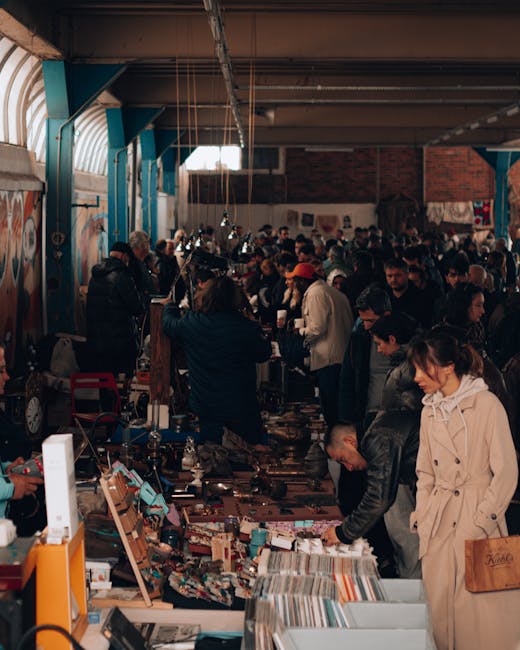
Maltby Street Market moving day removals advice for traders
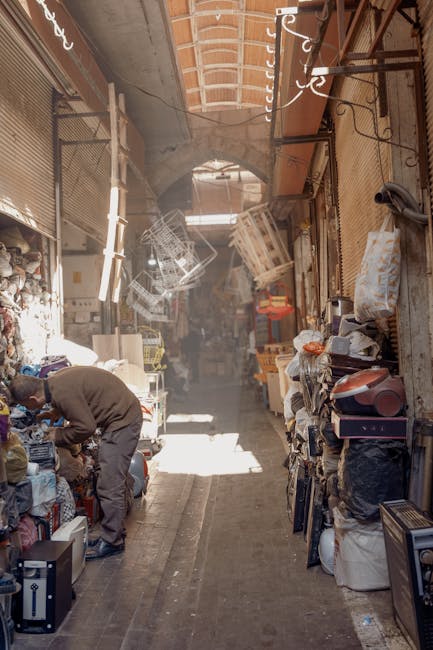
If you trade at Maltby Street Market, you already know that moving day is never just about boxes and tape. It is about timing, access, stock safety, customers, neighbours, and the slightly nerve-jangling reality of working in a narrow, busy London setting where one small delay can ripple through the whole morning. This guide to Maltby Street Market moving day removals advice for traders is written for exactly that moment: when you need to move quickly, keep your stall operation intact, and avoid the kind of disruption that eats into revenue before the day has even got going.
Whether you are shifting a food setup, artisan goods, display units, cold storage items, or a mixed trading kit, the basics are the same: plan early, pack properly, keep load-in and load-out simple, and choose the right kind of removals support. It sounds straightforward. In practice, a market move can become messy very quickly if nobody has thought through access, sequencing, and what happens when the van is five minutes late and someone's perishable stock is sitting on a pavement in the drizzle.
This article walks through the practical side of trader removals in a way that should actually help on the day. You will find step-by-step guidance, common mistakes, comparison points, a checklist, and a realistic example from a trader-style move. No fluff. Just the sort of advice you wish someone had handed you before the first crate was lifted.
Why Maltby Street Market moving day removals advice for traders Matters
Maltby Street Market is not a standard retail unit move. The setting is tighter, the pace is faster, and the margin for error is smaller. Traders often work with perishable stock, fragile packaging, specialist equipment, or a display that only looks effortless because an enormous amount of care went into it. Move day puts all of that under pressure.
The main reason good removals advice matters is simple: market trading depends on rhythm. If your kit arrives in the wrong order, or your setup is dismantled without a clear rebuild plan, you lose more than time. You lose calm. And once the team starts scrambling, mistakes multiply. Truth be told, a lot of moving stress comes from trying to do too much at the wrong moment.
There is also the reality of London logistics. Nearby traffic, loading constraints, weather, pedestrian flow, and limited stopping space can all affect the day. That means traders need more than a van. They need a moving strategy that fits the market environment, not one copied from a generic house move.
A sensible removals plan helps with three things:
- protecting stock, equipment, and presentation materials;
- reducing time lost during loading and unloading;
- keeping your trading day, and your income, as intact as possible.
That last point is the one people underestimate. A two-hour delay can sound minor until you are watching customers walk past while your counter is still in pieces.
How Maltby Street Market moving day removals advice for traders Works
At trader level, moving day works best when it is treated like a controlled sequence rather than a single lump of work. The process usually breaks into four phases: pre-move preparation, packing and labelling, transport, and reset at the new pitch, storage point, or trading site.
First, you list everything that needs to move. Not just the obvious heavy items, but trays, signage, chillers, POS equipment, utensils, menu boards, branded cloths, stock crates, and those odd little things that never seem important until they are missing. Then you decide what travels together, what must stay accessible, and what should never be mixed. For example, cleaning chemicals should not be packed beside food items. Sounds obvious. Still gets missed.
Next comes packing. For trader removals, clear labelling is worth its weight in gold. A labelled crate that says front display, back stock, or urgent first unload makes a move much smoother than a row of identical boxes that all look like they belong in the same mystery film. If you use specialist support such as packing and boxes or packing and unpacking services, the main win is not just protection. It is speed and order.
Transport choice matters too. Some traders only need a compact vehicle or a man with van style service for a small, tight move. Others need a larger vehicle such as a moving truck or a more complete commercial option. The right vehicle depends on volume, access, and whether you need several runs or one clean load.
Finally, there is the build-back at the destination. This is where many moves slow down. A good plan leaves the most important items on top, in the right sequence, with the team knowing exactly what is going where. If storage is involved, it helps to use a dedicated storage solution rather than scattering stock across random corners and hoping future-you will remember where everything went. Future-you is not always that forgiving.
Key Benefits and Practical Advantages
A well-run trader removal is about more than convenience. It can improve the whole economics of the move.
1. Less downtime. The faster your kit is unloaded and reassembled, the sooner trading can resume. Even if you are not opening immediately, reducing downtime gives you breathing room. That breathing room is everything on a busy market day.
2. Better stock protection. Fragile products, chilled items, signage, and branded materials travel better when packed for the journey they are actually taking. Not every move needs industrial-scale wrapping, but every move needs thought.
3. Lower risk of last-minute chaos. The best market moves feel almost boring. That is a compliment. They are calm, predictable, and slightly uneventful. Exactly what you want when there are deliveries, customers, and a tight timetable.
4. Easier team coordination. When traders, helpers, and removals crews know the plan, nobody is standing around asking where the power cables are or which crate contains the till stand.
5. Better use of specialist help. Some items are awkward enough to justify dedicated support. Heavy display furniture may call for furniture removals, while sensitive business stock may sit more comfortably within a wider commercial moves service.
The practical advantage, in plain English, is this: the right removals setup helps you spend less energy firefighting and more energy trading. And that is the actual job.
Who This Is For and When It Makes Sense
This advice is for any trader who needs to move market equipment, stock, or a trading setup without losing control of the process. That includes food and drink sellers, craft traders, independent retailers, pop-up operators, and stallholders who use Maltby Street Market as part of a wider trading pattern.
It is especially useful if you are:
- relocating to a different pitch or nearby site;
- moving in or out of storage between trading periods;
- replacing old fixtures and need the old ones removed;
- combining a move with a refresh of your display or stock system;
- working to a narrow window before opening.
Sometimes it also makes sense if your move is small but awkward. A trader with a few high-value items and a handful of fragile crates may not need a huge crew, but they do need careful handling. In those cases, a smaller-scale option like man and van or removal van support can be more practical than hiring a large vehicle that never quite fits where you need it.
Not every trader move looks dramatic from the outside. Often it is a few tables, a branded counter, a stack of produce trays, and some very expensive-looking kit packed into plain crates. But that does not make it simple. If anything, smaller moves can be fiddlier because every item matters.
Step-by-Step Guidance
Here is a straightforward approach that works well for most trader moves. Adapt it to your own setup, of course, but keep the sequence.
- Map the move early. Write down exactly what is moving, where it is going, and when it needs to be there. Include any time restrictions, loading limits, or access quirks.
- Separate essentials from non-essentials. Decide what must be ready first at the new location and what can be unpacked later. Keep that first category extremely clear.
- Pack by function, not by chance. Group stock, equipment, cleaning items, branding, and paperwork into separate, clearly labelled loads.
- Protect fragile and high-value items. Use proper wrapping, padding, and rigid boxes where needed. If something would be annoying to replace, treat it accordingly.
- Book the right vehicle and crew. Match the transport to the actual job. A cramped van with too much to do is a poor bargain. If the job is a bigger commercial relocation, look at removal services that suit business needs.
- Keep the load sequence logical. Put the first items you will need near the door or at the top of the load. Do not bury the card reader under three crates of packaging.
- Unpack in trading order. Set up the items needed for the stall structure, then the stock, then the finishing touches. It sounds obvious, but in the moment people often get distracted by the smallest things first.
A useful habit is to assign one person as the move lead. Not because everyone else is incapable, but because decisions happen faster when one person is clearly coordinating. Otherwise you get five sensible opinions and one missing kettle lead.
Expert Tips for Better Results
These are the sort of details that make a move feel easier, even if the move itself is still a bit of a faff.
Use a visual packing code. You do not need a complex system. A coloured sticker, a bold marker, or a simple word label can do the job. For example, red for urgent unload, blue for chilled, green for display. Consistency is what matters.
Keep a small essentials bag separate. Tape, scissors, a marker, wipes, spare gloves, phone charger, keys, and any permits or paperwork. One bag. Always on hand. This tiny thing saves an absurd amount of stress.
Plan for the weather. London mornings can shift quickly. A dry start can turn damp and windy by 9.30. If you are moving exposed stock or cardboard packaging, have covers ready. Nobody enjoys rescuing soggy labels off the pavement.
Think in "first ten minutes" terms. What do you need as soon as the van door opens? What must be accessible immediately? Packing for that first ten minutes sharpens everything else.
Ask for insurance clarity. If you are moving valuable fixtures or goods, check what is covered and what is not. If you are unsure, it is better to ask before the job than argue after the fact. A quick look at the company's insurance and safety information can be very reassuring.
Keep the move tidy. Less loose wrapping, fewer stray straps, fewer "temporary" piles. Tidy moves are faster moves. Mess has a nasty habit of growing legs.
And one more, because it really helps: do not let beautiful but unnecessary perfection slow you down. A market move needs to be functional first. Lovely second.
Common Mistakes to Avoid
Most trader move problems come from a handful of repeated mistakes. You can avoid a lot of grief by watching for these.
- Packing too late. Last-minute packing almost always means mixed crates, missing labels, and rushed decisions.
- Underestimating access. A van may fit the volume, but not the route, the stopping space, or the loading timing.
- Mixing fragile goods with heavy gear. This is how cracked displays and dented packaging happen.
- Forgetting power and setup parts. Cables, adapters, fixings, and brackets are small, but they can stop the whole stall from working.
- Not checking storage needs. If you have surplus stock or old fixtures, be clear about whether they are travelling, staying, or going into storage.
- Choosing transport by price alone. Cheapest rarely means best if it causes delays or extra handling.
There is also a subtle mistake that catches a lot of people out: assuming the move will "just happen" once the van arrives. It will not. Someone has to direct the sequence, the layout, and the priority order. Without that, you end up with a very busy car park and not much else.
Tools, Resources and Recommendations
For a trader move, the best tools are simple ones used well. You do not need a warehouse management system for every job. Sometimes you just need the right boxes, enough tape, and a plan that actually matches reality.
- Sturdy boxes and crates: for stock, signs, and smaller equipment.
- Marker pens and labels: for clear categorisation and load order.
- Bubble wrap, paper, and padding: for breakables and awkward items.
- Moving blankets and straps: to keep items secure in transit.
- Hand truck or trolley: useful for repetitive short-distance lifting.
- Inventory list: a basic spreadsheet or paper list is often enough if it is kept updated.
Where trader moves involve mixed business stock, it can be worth looking at broader support such as removals or even same-day removals if timing is tight. For traders with larger items or repeated relocations, a reliable removal truck hire option may also be useful.
If you are downsizing, changing season, or simply need to clear old stock and fixtures, then a separate furniture pick up or furniture clearance-style arrangement may make the process cleaner. That can be especially handy when the move site is short on room and clutter quickly becomes the enemy.
Law, Compliance, Standards, or Best Practice
For trader removals, the compliance side is less about formal legal drama and more about sensible working practice, safety, and respect for the site. If the move involves a public-facing market environment, then keeping people safe, keeping walkways clear, and managing lifting properly all matter. That is just good practice, and in many cases it is also what any sensible site manager expects.
In practical terms, traders should think about:
- manual handling: avoid lifting loads that are too heavy or awkward for one person;
- safe stacking: heavier items low, lighter items high, and nothing unstable;
- food safety separation: if you handle food, keep it away from contaminants during transit;
- insurance checks: understand what is covered before the move starts;
- site etiquette: do not block access routes or create hazards while loading;
- data and valuables: keep paperwork, till devices, and sensitive items controlled.
It is also wise to review a provider's health and safety policy and terms and conditions so you know how responsibility is handled. That is not red tape for the sake of it; it is part of making sure everybody understands the job.
Best practice in a market move usually means being realistic, not heroic. If an item needs two people, use two people. If a crate is overfilled, repack it. If the load order feels messy, stop and correct it. Small corrections early are much cheaper than big problems later.
Options, Methods, or Comparison Table
Different trader moves need different levels of support. Here is a simple comparison to help you choose.
| Option | Best for | Strengths | Watch-outs |
|---|---|---|---|
| Man and van | Small stock loads, a few fixtures, short-distance moves | Flexible, practical, often quicker to arrange | Limited capacity; may need more careful packing |
| Removal van | Medium-sized trader loads with tighter access | Good balance of size and manoeuvrability | Can still be tight for bulky display items |
| Moving truck | Larger commercial loads, heavier fixtures, full pitch changes | More capacity, fewer trips | Needs better route and access planning |
| Commercial moves | Traders moving equipment, stock, and business assets together | Structured support for business relocation | May be more than you need for a very small move |
| Storage-first approach | Seasonal traders, temporary downsizing, staged moves | Reduces pressure and keeps surplus safe | Needs good labelling and retrieval planning |
There is no perfect option for every trader. The right one depends on volume, timing, fragility, and whether your move is one clean transfer or a staged process. If you are in doubt, start with the question: what would make the day calmer?
Case Study or Real-World Example
Here is a realistic example based on the kind of move traders often face.
A small food trader needed to move from a market setup into temporary storage while refurbishments were taking place. The move included shelving, trays, branded signs, a compact prep table, cartons of dry stock, and a few chilled items that had to remain separated. Nothing enormous. But a lot of little things that mattered.
Instead of packing everything into identical boxes, the trader split the load into three groups: urgent setup items, stock for storage, and non-essential extras. The urgent items went closest to the van door and were labelled clearly. The stock that needed to stay dry was wrapped and boxed separately. The display kit travelled in blankets to stop scratches and knocks.
The move itself was not glamorous. A little hurried, a bit noisy, the usual clatter of metal legs and tape being torn off a roll. But because the load order had been thought through, the trader was able to rebuild the core setup in a sensible sequence. No frantic searching. No pile of random fixings. Just a controlled reset.
What made the difference? Not luck. Planning. And enough restraint to avoid stuffing everything into the van because it "probably would be fine."
Practical Checklist
Use this checklist before trader moving day. Keep it simple and visible.
- Confirm move date, time, and access window.
- List every item moving, including small but essential pieces.
- Separate fragile items, chilled items, and cleaning chemicals.
- Label all boxes by function and unload priority.
- Set aside an essentials bag for tools, paperwork, and chargers.
- Decide what goes to storage and what does not.
- Check vehicle size against the actual load.
- Review insurance, safety, and terms before the day.
- Prepare a clear order for unloading and rebuilding.
- Have a backup plan if the timetable slips.
If you have only a minute, read that last point again. Backup plans are dull right up until they become the most useful thing in the world.
Get a free quote today and see how much you can save.
Conclusion
Maltby Street Market moving day removals advice for traders is really about control. Not total control, because that is a fantasy, but enough structure that the move feels manageable instead of chaotic. When traders plan the load properly, choose the right transport, protect the stock, and keep the setup order clear, the whole job becomes smoother and far less draining.
The best moves are the ones that let you get back to trading with your energy still intact. That might mean using a small van, a bigger commercial move, or storage to stage the process over time. Whatever route you choose, the aim is the same: safe stock, clear priorities, and a moving day that does not take over the week.
And if the process still feels a bit much, fair enough. Market moves are demanding. But with the right plan, they are very doable, and the relief at the end is proper relief. A clean stall, a calm team, a good first cup of tea afterwards. That sort of thing matters more than people admit.
Frequently Asked Questions
What is the best removals approach for Maltby Street Market traders?
The best approach is usually a tailored commercial move with clear packing, labelled loads, and the right vehicle size. Small traders may only need a man and van service, while larger setups may need a moving truck or broader commercial support.
How far in advance should traders book moving day removals?
As early as you can, ideally once the move date is fixed. Market and London logistics can be tight, so leaving it late increases the risk of poor timing, limited vehicle choice, and rushed packing.
Do I need specialist packing for market stock?
Often yes, especially if you move fragile goods, chilled items, branded materials, or equipment that can be damaged by movement. Good packing and boxes support makes a real difference to speed and safety.
Can I use storage during a trader move?
Yes, and for many traders it is the simplest way to stage a move. Storage is useful when you are downsizing, between seasons, or waiting for a new pitch or setup to be ready.
Is a man and van service enough for a small trader move?
It can be, if the load is modest and access is straightforward. The key is to be honest about volume and handling needs. If you have bulky displays or several runs to complete, a larger vehicle may be better.
What should go in the essentials bag on moving day?
Keep tape, scissors, a marker pen, keys, chargers, wipes, gloves, and any paperwork or access documents. In practice, this bag saves a surprising amount of hassle.
How do I protect fragile market items during transport?
Use proper padding, wrap items individually where needed, and keep fragile goods separate from heavy boxes. Label those items clearly so they are unloaded with care rather than at random.
What are the biggest mistakes traders make when moving?
The most common mistakes are leaving packing too late, underestimating access issues, failing to label crates, and mixing essential setup items with general stock. The chaos usually starts small.
Should traders review insurance before moving?
Yes. It is sensible to check what is covered, especially for high-value stock or fixtures. Reviewing insurance and safety information before the move is one of those boring tasks that can save a major headache later.
What if I need to move on a very tight deadline?
If timing is tight, consider same-day removals or a tightly planned smaller move with clear priorities. The trick is to cut the move down to essentials first, then deal with the rest in a second pass if needed.
Can old fixtures or surplus items be removed at the same time?
Yes, and that often helps. If you are clearing old display furniture, damaged items, or surplus equipment, arranging removal at the same time can keep the move cleaner and reduce clutter. Furniture removals or furniture pick up support can be useful here.
How do I choose between commercial moves and a simple van hire?
Choose based on the volume, fragility, and complexity of the job. If the move involves stock, fixtures, and business assets together, commercial moves are usually the safer fit. If it is a smaller, lighter load, van-based support may be enough.